A Farm Set-Up Consultant in Kenya helps you assess land, plan infrastructure and organise the work needed to establish a commercial farm. Muhuga the Farmer coordinates that process for local and international investors. We connect the investment plan to practical decisions about water, crops, people and routes to market.
Buying land before checking water availability can leave an otherwise promising project short of irrigation capacity. Similarly, planting before agreeing buyer specifications can create expensive changes later. Our consultancy starts with those decisions, so you can evaluate the project before committing to construction or production.
What does a Farm Set-Up Consultant in Kenya do?
A farm set-up consultant coordinates the assessments, professional advisers and implementation activities needed to establish an agricultural business. The work can include land evaluation, water planning, infrastructure, crop selection and management systems. Your agreed scope should identify who delivers each task, what evidence you receive and which decisions need specialist approval.
Muhuga’s support covers the 14 service areas below. First, we discuss your objectives, available capital and intended market. Then we identify which activities your project needs. Legal, tax, immigration and other regulated services involve appropriately qualified professionals, while government authorities retain responsibility for their decisions.
Farm Set-Up Consultant in Kenya: land and water planning
1. Land acquisition and leasing
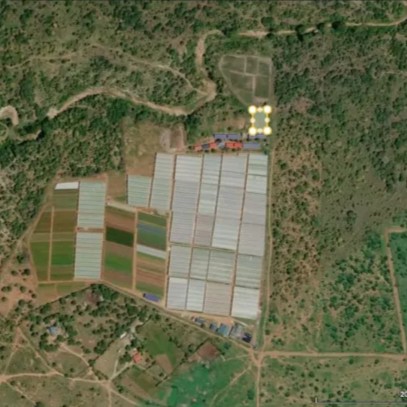
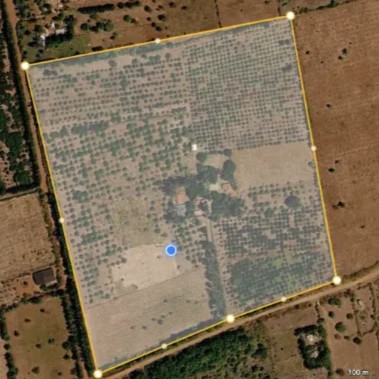
We help identify agricultural land and coordinate suitability checks before you purchase or lease. These checks consider soil characteristics, climate, altitude, access and water availability. A site visit should also examine drainage and the practical route for moving inputs and harvested produce.
Next, qualified legal professionals handle ownership verification and transaction advice. Foreign investors need advice specific to their ownership structure and the proposed land arrangement. Because a suitable growing site can still have unresolved transaction risks, keep legal due diligence separate from the agronomic assessment.
2. Farm fencing and infrastructure development
We facilitate planning for perimeter fencing, security gates, internal roads and drainage. The layout can also include stores, staff facilities, packhouses and production structures, according to the enterprise. First, agree how workers, vehicles and harvested crops will move through the site.
For example, reserving space for future access can prevent a new production block from blocking deliveries. Development can proceed in phases, with each contractor’s scope and handover requirements agreed before work starts.
Water exploration and irrigation planning
3. Underground water exploration
We coordinate hydrogeological surveys through qualified professionals to assess groundwater prospects and potential drilling locations. The assessment should consider your projected water requirements alongside alternative sources. In practice, a survey supports a drilling decision; it doesn’t guarantee a successful borehole or a particular yield.
Next, compare the proposed source with seasonal demand before fixing the planted area. Your Farm Set-Up Consultant in Kenya should consider storage and irrigation scheduling in the same discussion.
4. Borehole authorisation and drilling coordination
Muhuga coordinates the development sequence with the relevant professionals and contractors. This can include applications, drilling, casing, gravel packing, pump testing and water quality analysis. Next, pump selection, solar pumping, storage and distribution follow the source assessment and operating requirements.
The Water Resources Authority’s permitting process distinguishes authorisation to construct abstraction works from the subsequent water permit. Therefore, confirm the required stage before drilling or abstraction. Environmental assessment and approvals also need review for the particular project.
5. Irrigation design and installation
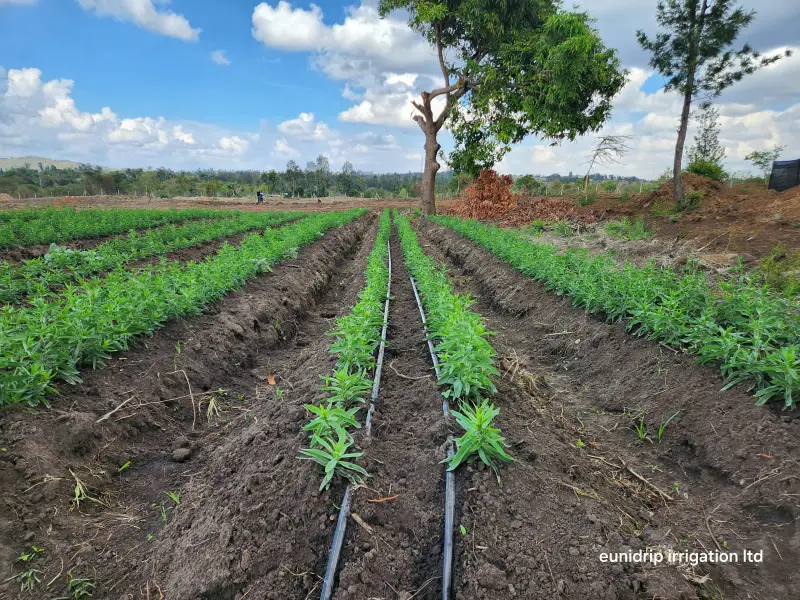
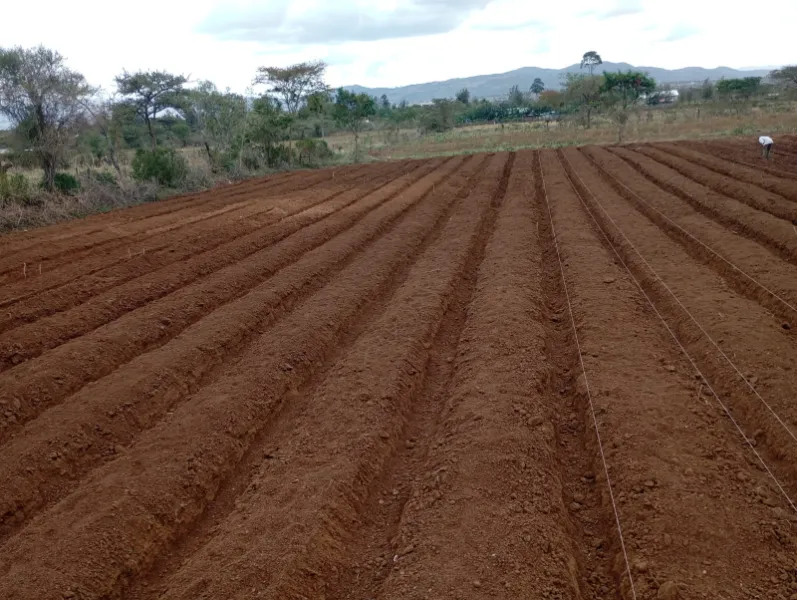
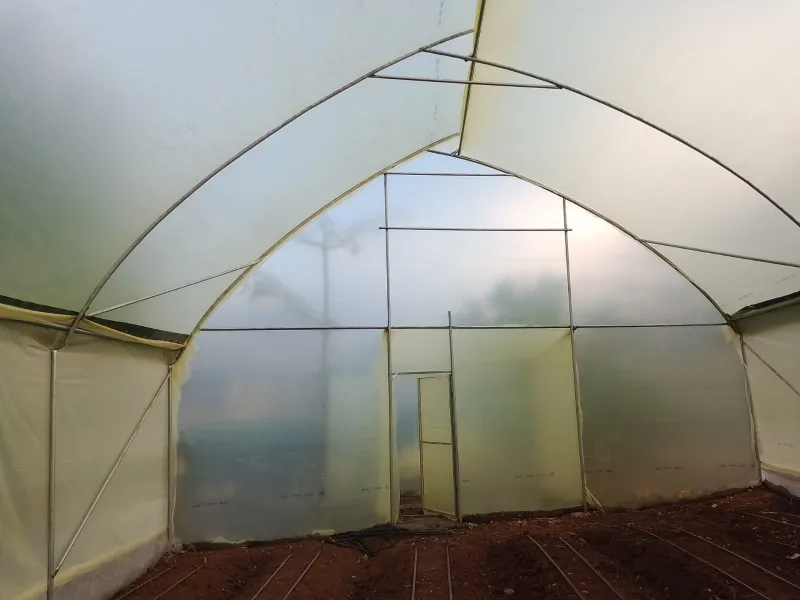
We facilitate irrigation design using crop requirements, topography, soil and available water. Options include drip, sprinkler and greenhouse irrigation, with filtration and fertigation where suitable. Automation and solar pumping need assessment against the operating plan and budget.
For example, equipment selection should follow the required flow and pressure. Record the design assumptions before ordering components, then check the installed system against them. This gives you a basis for assessing performance at handover.
Farm Set-Up Consultant in Kenya: business and market preparation
6. Company registration and tax coordination
For international investors, we facilitate introductions to qualified legal, accounting and tax advisers. They can advise on business structure, company registration, KRA registration and accounting arrangements. The Business Registration Service provides Kenya’s official company registration services.
Next, establish which reporting and tax obligations apply to your business. Your advisers should assess VAT, PAYE and corporate income tax against the actual activities and structure. We coordinate the process without promising a particular tax treatment.
7. Work permit application support
We help organise documentation and professional support for investors, foreign specialists and expatriate farm managers. The appropriate application depends on the person’s intended activity. Kenya’s official immigration permit information identifies different permit classes, including Class B for agriculture and animal husbandry.
First, confirm eligibility and documentation with the responsible adviser. Applications remain subject to government assessment and approval. Build that uncertainty into recruitment and project scheduling.
8. Local director and business partner linkages
Muhuga facilitates introductions to potential local directors, business partners and professional advisers where appropriate. Each appointment needs due diligence and clearly documented responsibilities. A local introduction alone doesn’t establish a person’s suitability or authority to act.
For example, agree signing powers, reporting expectations and conflict-of-interest procedures before giving someone control over project funds. Your legal adviser should review the proposed governance arrangements.
Farm Set-Up Consultant in Kenya: export and crop planning
9. Export documentation and compliance preparation
We help investors prepare for export documentation, applicable horticultural licensing and buyer requirements. Preparation can include traceability records, pesticide records, post-harvest handling and cold-chain arrangements. GLOBALG.A.P. preparation depends on your target market and buyer; preparation doesn’t itself confer certification.
KEPHIS phytosanitary services assess plant exports against importing-country requirements. Therefore, establish the commodity and destination before finalising the documentation plan. For crop-specific context, read Muhuga’s fresh sage export article and fresh chives export article.
10. Crop and variety selection
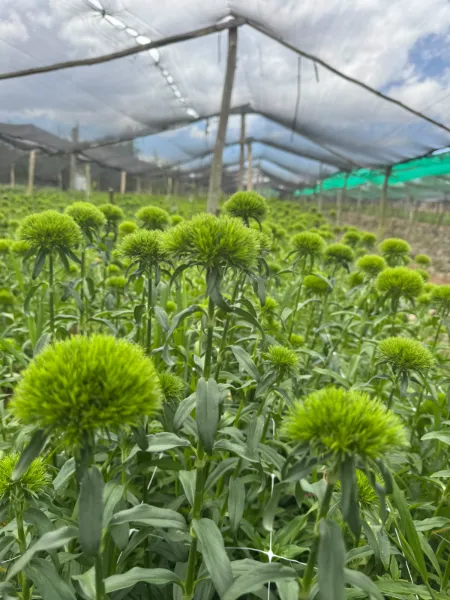
We assess crop options against the market, growing conditions and production budget. Floriculture, fresh herbs, vegetables and orchards have different infrastructure and management needs. Disease resistance, planting material availability and expected harvest timing also affect the decision.
First, identify the buyer’s specification and a realistic production calendar. Then compare options using consistent cost assumptions. Our article on crops with high profit potential in Kenya provides starting points for that discussion; your own feasibility assessment must test the numbers.
11. Plant breeder and propagation company introductions
We facilitate connections with breeders, seed suppliers, nurseries and propagation companies. These introductions help you investigate suitable varieties and planting material. Ask suppliers to document variety identity, plant health and delivery arrangements before placing an order.
In addition, confirm any plant import and intellectual property requirements through the relevant professionals and authorities. Your Farm Set-Up Consultant in Kenya should factor planting material availability into the schedule, because delays can leave completed infrastructure idle.
Management, commercial planning and settling in
12. Farm commercialisation
We support feasibility studies, investment budgeting, cash flow projections and market research. The objective is a farm business with measurable operating targets. Buyer introductions can inform planning, but they don’t guarantee an order or a selling price.
For example, compare a phased development with immediate full-scale construction. Include working capital for the period before sales arrive. A Farm Set-Up Consultant in Kenya should help you examine those assumptions and identify the decisions that depend on them.
13. Management structures and labour compliance
We assist with organisation structures, recruitment coordination and farm operating procedures. Qualified advisers can support employment contracts, payroll arrangements and applicable statutory obligations. First, define job descriptions, reporting lines and approval limits before the workforce expands.
Next, establish training, occupational safety procedures and daily production records. Management reports should connect field activities to expenditure and sales. Clear responsibilities help an investor see who must act when production or spending moves away from the plan.
14. Local familiarisation and settling in
International investors may need help understanding the local operating environment. We facilitate community introductions, local administration engagement and professional networking. Support can also include accommodation, transport and supplier introductions, according to the agreed assignment.
In practice, discuss access arrangements and community relationships early. Document commitments made on behalf of the business, and give local stakeholders a clear point of contact.
How the farm establishment process fits together
Next, use this sequence to identify the decisions that must precede spending. Your Farm Set-Up Consultant in Kenya can coordinate the stages, while you retain approval over the investment budget and major commitments.
| Stage | Main activity | Decision before proceeding |
|---|---|---|
| 1. Consultation | Define objectives and capital available | Agree the consultancy scope |
| 2. Feasibility | Assess land, water and market suitability | Decide whether the site fits the enterprise |
| 3. Registrations | Coordinate professional advice and applications | Confirm requirements for the next activity |
| 4. Infrastructure | Plan and develop agreed facilities | Approve designs and contractor scopes |
| 5. Production | Select varieties and establish crops | Confirm planting material and operating capacity |
| 6. Management | Implement records and market arrangements | Assign responsibilities and reporting dates |
| 7. Review | Compare results with the plan | Decide whether to adjust or expand |
For a wider discussion of project development, read our large-scale farm setup guide for investors. This article explains consultancy scope; that guide covers the broader establishment journey.
Farm Set-Up Consultant in Kenya: frequently asked questions
When should I involve a Farm Set-Up Consultant in Kenya?
Ideally, involve the consultant before committing to land or major infrastructure. First, test whether the proposed site, available water and intended market fit your investment objectives.
Can a Farm Set-Up Consultant in Kenya help international investors?
Yes. Our stated service scope includes local investors and international investors establishing agricultural businesses in Kenya. The assignment should reflect your location, existing resources and need for specialist professional support.
How much does farm set-up consultancy cost?
The scope determines the quotation. First, ask for professional fees, third-party charges and implementation costs separately. Site conditions and required assessments differ and affect costs.
Does consultancy guarantee permits or export buyers?
No. Authorities decide applications, certification bodies assess certification, and buyers make purchasing decisions. Muhuga facilitates preparation and introductions; confirm each outcome before making commitments that depend on it.
Can I develop the farm in phases?
Yes, a phased plan can form part of the feasibility work. First, identify which facilities the initial production area needs. Compare results with the budget before authorising expansion.
What information should I prepare for a consultation?
Prepare the proposed location, land size, available capital and intended market. Also share any soil tests, water information or existing designs. These documents help identify what still needs investigation.
Discuss your farm project with Muhuga the Farmer
Start by writing down your investment objective and the decisions you need help making. Then ask for a defined scope covering responsibilities, deliverables and payment stages. Clear project boundaries make it easier to compare proposals and monitor implementation.
If you’re seeking a Farm Set-Up Consultant in Kenya, Muhuga the Farmer can help coordinate the establishment process described here. Bring your project information to the initial discussion so we can identify the assessments and professional support your farm needs.