Table of Contents
Import fresh chives from Kenya through Muhuga Ltd, a sourcing platform that connects international buyers with Kenyan growers. Chives are a culinary herb sold fresh. Their value depends on how they are handled between the field and the buyer’s cold room. Kenya’s cool highlands allow herb production through much of the year. In addition, Nairobi’s air links reach European, Middle Eastern and regional markets quickly. Fresh chives are perishable. Therefore an import programme stands on four things: a written specification, a grower who can repeat it, a cold chain that holds, and complete export documents. This guide follows those four in the order a buyer meets them.
Import Fresh Chives from Kenya with Muhuga
Muhuga is a sourcing platform for Kenyan produce. For a herb buyer, the useful part is the structure. You state what you need, and the platform matches you with producers. In practice, the commercial and quality questions are settled before a shipment is booked. That matters with chives, because the crop is cut to order and cannot be held in stock for long. A buyer who arrives with a specification gets a faster and more accurate response. A vague enquiry for fresh chives, without a grade, pack size or volume, slows the whole process.
Why Import Fresh Chives from Kenya?
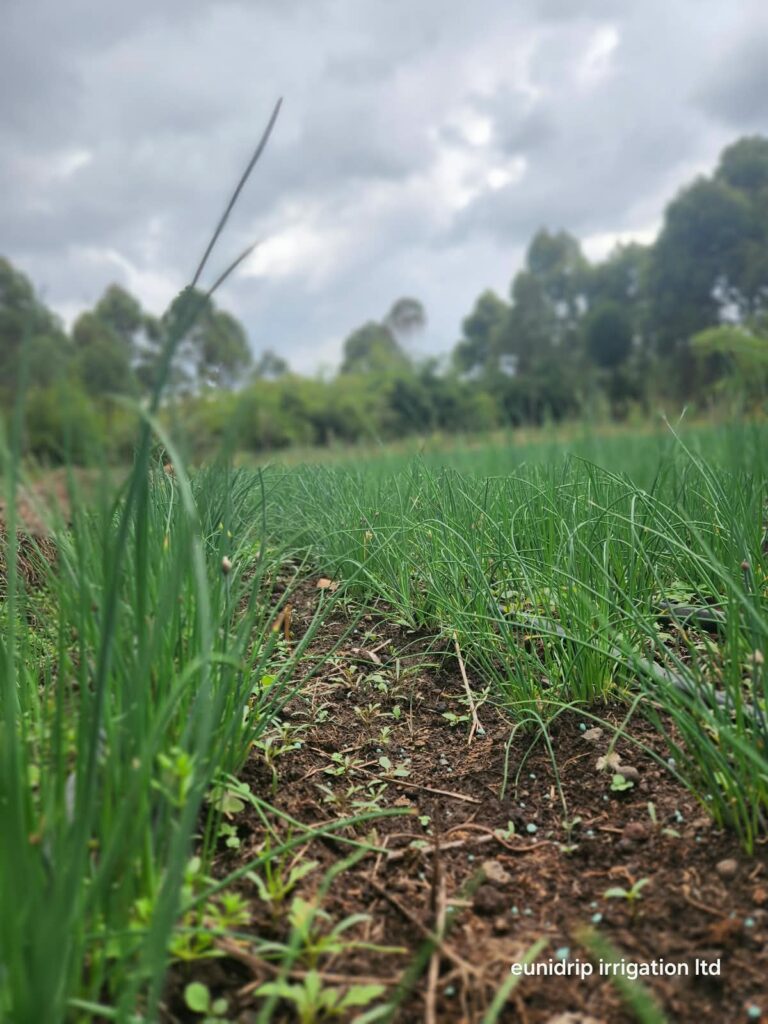
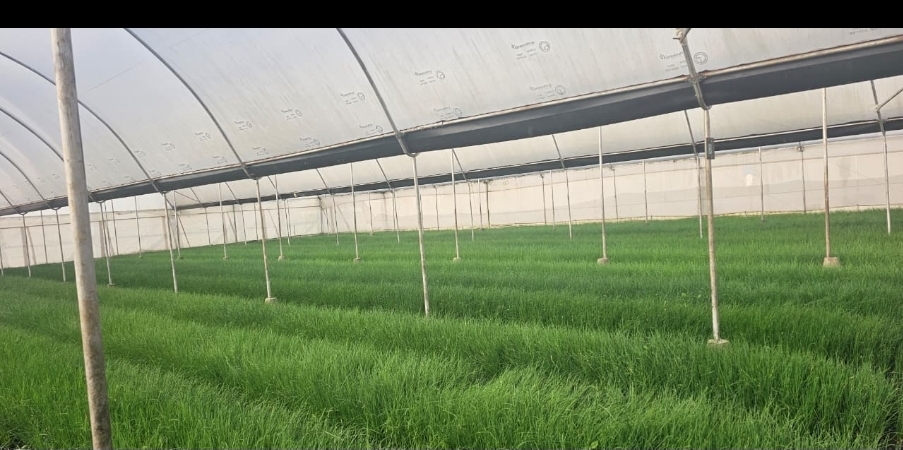
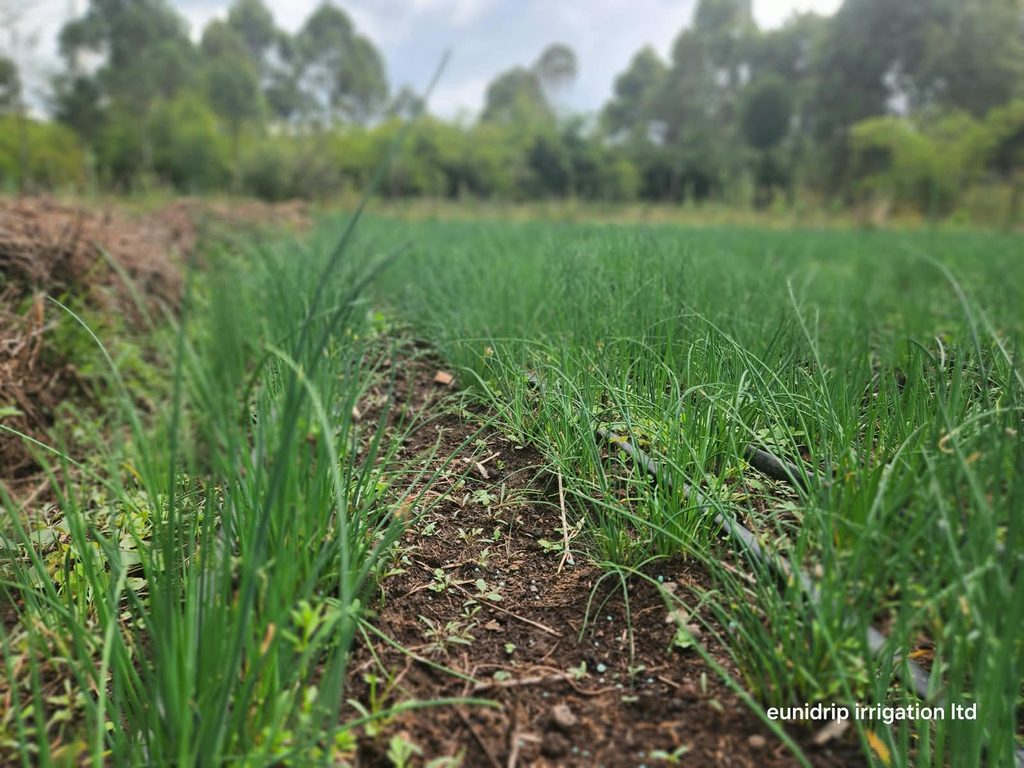
Kenya’s highland areas have the cool conditions chives prefer. The crop grows as a perennial clump and is cut repeatedly. As a result, a well-managed field can supply a series of harvests rather than a single season. Growers cut by hand, bunch or pack in a packhouse, and move the herb into cold storage. The same horticultural supply chain handles French beans, herbs and other fresh lines for export. For this reason, grading, packing and documentation practices already exist.
Buyers import fresh chives from Kenya for that combination: a repeatable supply calendar, hand labour for a delicate crop, and fast air freight. A European or Middle Eastern market can receive the product within a day of cutting. The sector is also a major supplier of fresh produce to international buyers. For this reason, freight routes and inspection systems are well established. The FAO country profile for Kenya gives useful background on that horticultural base.
What Kenyan Chive Growers Supply
Fresh chives leave Kenyan farms in a small number of formats. The most common are tied bunches for wholesale and food service. Punnets serve retail, and bulk cartons serve processors and ready-meal kitchens. Some suppliers offer washed and chopped chives for buyers who want a ready-to-use line. However, that adds a processing step and a shorter shelf life. Leaf length, pack weight and carton count should be written into the order. A bunch means different things in different packhouses.
Chives are usually cut while the leaves are still tender and uniform. A buyer who needs a specific length should say so in the enquiry. The same applies to a minimum stem count per bunch or a particular punnet weight. The supplier can then grade to that description instead of shipping a generic pack that fails at arrival.
Quality Standards When You Import Fresh Chives from Kenya
Quality in fresh chives is visible and measurable. Leaves should be uniform in length and colour, and turgid rather than limp. They should be clean, with no yellowing tips, decay, soil or pest damage. Flowering stems are a defect in a leaf crop, so they should be excluded at grading. Cut ends should be fresh, not brown. Ask for the grade description in writing. On the first shipment, ask for a sample or a photograph taken at packing.
Residue compliance is set by the destination market, not by the supplier. Buyers should ask for spray records. Where their market requires it, they should also ask for a residue test from a recognised laboratory. Food-safety certification such as GLOBALG.A.P. or HACCP should be verified for the specific farm and scope. It should never be assumed from a brochure. Temperature matters as much as appearance. Chives hold best near 0 °C with high humidity, and a single break in the chain shows up as wilt or decay on arrival.
| Buyer decision | What to put in writing | Why it matters |
|---|---|---|
| Form | Bunches, punnets or bulk cartons | Sets the packhouse line and the price basis |
| Leaf length | A measured range, not a word like medium | Grading and customer acceptance |
| Grade | Limits for yellowing, damage and flowering stems | Determines what is rejected at arrival |
| Cold chain | 0-2 °C from packhouse to arrival | Controls the shelf life the buyer receives |
| Volume | Weekly cartons and a fixed cut day | Grower planting and harvest planning |
How to Import Fresh Chives from Kenya in 5 Steps
The process to import fresh chives from Kenya is easier to control when it is broken into five decisions. Each one can be settled before money moves. Each one also prevents a specific failure at arrival.
- Write the specification. Set the form, pack, leaf length, grade, weekly volume and delivery window. A specification that fits on one page is enough, provided every line can be checked at packing.
- Confirm the grower and the season. Ask where and when the crop will be cut. See a sample from the actual farm rather than a library photograph. Check that any certification covers the farm and the product you are buying.
- Agree the commercial terms and the documents. Decide who books the air freight, who clears the shipment and which documents travel with the goods. Incoterms should match the point where the buyer takes control of the cold chain.
- Pack and pre-cool. Harvest in the cool part of the day and cool the herb quickly. Pack it in vented cartons with breathable liners. Gel packs help on a long route, but free water inside the pack does more harm than good.
- Ship and inspect on arrival. Book the flight against the harvest date and send the documents ahead. Record defects at arrival. That record is what improves the second shipment.
Documentation to Import Fresh Chives from Kenya
Every consignment needs a phytosanitary certificate issued by KEPHIS, Kenya’s plant health authority. The exporter should be registered with the Horticultural Crops Directorate of the Agriculture and Food Authority, which regulates horticultural exports. A certificate of origin may be needed for a trade preference. The commercial invoice, packing list and air waybill travel with the goods. The destination market may add an import permit, a prior-notice filing or a residue test.
Documents are checked at the border. Therefore the buyer should see drafts before the first shipment rather than at the airport. A missing certificate can hold a perishable consignment long enough to destroy its value. For this reason, the document list belongs in the supply agreement, with a named person responsible for each item.
Packing and Cold Chain for Fresh Chives
Chives lose quality quickly once they are warm or bruised. The crop should be cut in the cool part of the day and moved into shade. It should be pre-cooled before it is packed. Storage and transport run near 0 °C with high humidity. A thermometer inside the carton is more useful than a setting on the cold room. Specifically, it shows what the herb actually experienced.
Pack in vented cartons with breathable liners. Avoid free water or melting ice inside the pack, because both damage the leaves. Keep chives away from ethylene-producing fruit and from strong odours. The herb picks up both. Shelf life is short by design. Under a good cold chain, a consignment can spend several days in transit. It can still give the buyer one to two weeks of saleable life after arrival. That window closes fast if the pallet sits on a tarmac.
Shipping Fresh Chives from Kenya to Your Market
Fresh chives move by air. Nairobi’s Jomo Kenyatta International Airport has scheduled freighter and belly capacity to Europe, the Middle East and regional hubs. A well-planned shipment can leave the packhouse and land in a European market the next day. Sea freight is not a realistic option for a fresh leaf crop at this value. The practical constraint is the harvest-to-flight window. The later the cut, the less shelf life reaches the buyer. Therefore buyers should agree the cut day and the flight day together, not separately.
Many importers consolidate chives with other herbs on the same air waybill. That spreads the freight cost. However, it also means the chives wait for the rest of the consignment. If the herb is the most perishable line, book it on the earliest flight rather than the cheapest consolidation.
Costs and Volume When You Import Fresh Chives from Kenya
Price for fresh chives moves with four things: the grade and pack, the volume, the season, and air freight. Freight is often the largest variable, because fuel surcharges and capacity change faster than farm costs. A quote is only meaningful against a written specification. In addition, a supplier should price the same grade you intend to buy rather than a generic line. Therefore compare quotes on a landed-cost basis, with freight and cold-chain handling included.
Volume is a commercial decision as much as an agronomic one. A trial shipment tests the pack, the cut and the cold chain before a buyer commits to a weekly schedule. Once the route is proven, a standing order with a fixed cut day helps the grower. It gives a reason to plant and harvest to your calendar.
Who Should Import Fresh Chives from Kenya?
The main buyers are importers and distributors, food-service suppliers, retail packers, and processors making ready meals or herb mixes. Each has a different priority. A distributor wants a repeatable grade and a landed cost. A food-service supplier wants a pack that suits a kitchen. A processor wants a clean, uniform cut and a reliable volume.
Chives are rarely a standalone import programme. They usually travel as part of a herb basket, with sage, mint, basil or coriander. That mix changes the economics of the freight. If you also source sage, our guide to importing fresh sage from Kenya covers that line in the same way.
Frequently Asked Questions About Importing Fresh Chives from Kenya
When are fresh chives available from Kenya?
Kenyan highland growers produce through much of the year. However, availability depends on the grower’s planting and on demand peaks in your market. Confirm the harvest window with the supplier before you book freight.
How long do fresh chives last after harvest?
Near 0 °C, a consignment can spend several days in transit. It can still give one to two weeks of saleable life after arrival. A break in the cold chain shortens that sharply.
Which documents do I need to import fresh chives from Kenya?
A KEPHIS phytosanitary certificate and exporter registration with the Horticultural Crops Directorate are the core documents. You also need a commercial invoice, a packing list, an air waybill and, where applicable, a certificate of origin. Your destination market may also require an import permit, prior notice or a residue test.
Can I combine chives with other herbs in one shipment?
Yes. Consolidation is common, but agree which line is most perishable and book the flight for that line. Otherwise the chives absorb the delay.
What minimum order should I plan?
The minimum is set by the grower and by the economics of the air freight. Start with a trial consignment against a written specification. Then move to a schedule once the pack and the cold chain are proven.
Are Kenyan chives organic?
Only where the specific farm holds organic certification recognised by the destination market. Ask for the certificate and check its scope before you describe the product as organic.
Start Your Chives Import with Muhuga
Tell us the form, pack, volume and delivery window. Muhuga will match the request with Kenyan producers and help settle the quality and documentation questions before the first shipment. You can browse the produce currently listed on the platform and review the verified farms. If you are assessing the supply base behind a long-term contract, read the farm setup guide.
For buyers building a herb programme, the next step is a written specification and a trial flight. Start with the Muhuga platform. Treat the first consignment as a test of the whole chain, not only of the price.