Table of Contents
Crops with high profit in Kenya are chosen from a buyer list, not a yield table. The price a crop earns matters. So does the cost to meet the buyer’s specification and the risk of rejection. In practice, the most profitable crop on one farm can lose money on another. Therefore this guide compares five export crops on demand, specification, cost and risk. It also shows how to test the numbers for your own farm.
Crops with High Profit in Kenya: Five Buyer-Led Picks
The five crops in this guide are Hass avocado, French beans, macadamia, fresh herbs and cut roses. Each one has repeat export demand and a specification a buyer can inspect. In addition, each one can be grown in Kenya’s highlands or mid-altitude zones. The list is not a ranking of gross price. It is a shortlist of crops where a grower can control the cost of meeting the spec.
Profit is what remains after every cost between the field and the buyer’s door. For this reason, a crop with a high price per kilo can still fail. Harvest labour, grading, packing, cold storage, inspection and freight all take a share. A grower who plans only for seed and fertiliser will misjudge the margin.
This guide does not publish per-acre profit figures. Costs and prices differ by county, season, variety and buyer. Consequently, a single national figure is misleading. Instead, the sections below give the cost drivers and the buyer checks. You can then build a budget with your own numbers.
For the land, regulation and infrastructure side of a project, see the guide to large-scale farm setup in Kenya. This article stays on crop choice and the economics of the sale.
How We Judge Crops with High Profit in Kenya
We use four tests. First, repeat demand: a buyer who orders once and disappears is not a market. Second, a written specification: size, grade, colour, residue limits and pack. Third, the cost to meet that specification, including labour and cold chain. Fourth, the risk that a good crop is rejected or sold at a lower price.
A crop passes all four tests only when the grower can repeat the specification across seasons. For example, a crop that needs hand picking every second day demands a labour system, not just a field. Similarly, a crop that must be cooled within hours needs a packhouse close enough to harvest.
Market access matters as much as agronomy. Kenya’s export horticulture depends on inspection, documentation and airfreight. The FAO’s work in Kenya includes programmes that raise productivity and profitability for smallholder farmers. That is the right frame: productivity without a buyer and a cost model does not create profit.
Finally, we separate the crop from the market window. A crop harvested when prices are high earns more than the same crop harvested into a glut. Therefore planting dates and staggered harvests belong in the plan from the start.
Five Crops with High Profit in Kenya at a Glance
The table compares the five picks on the factors that decide whether a crop pays. It does not rank them, because the best crop depends on your buyer, water, labour and capital.
| Crop | Main buyer | Time to income | Main cost driver | Main risk |
|---|---|---|---|---|
| Hass avocado | Exporters and ripening houses | Several years | Orchard care and cold chain | Fruit maturity at harvest |
| French beans | Export packhouses and retailers | Weeks | Hand picking and packing | Over-mature pods |
| Macadamia | Processors and exporters | Several years | Orchard care and drying | Long payback and price |
| Fresh herbs | Exporters, hotels and retailers | Weeks to months | Hand cutting and cold chain | Leaf quality and delay |
| Cut roses | Florists and wholesalers | Months | Greenhouse and airfreight | Stem length and price swings |
Read the table as a set of questions, not a scorecard. A crop with a long time to income needs capital that can wait. A crop with a short cycle needs a buyer who can take frequent volumes. In contrast, a crop with a high cost to meet the spec needs a price that covers the whole chain.
Hass Avocado: Export Grade and Oil Content
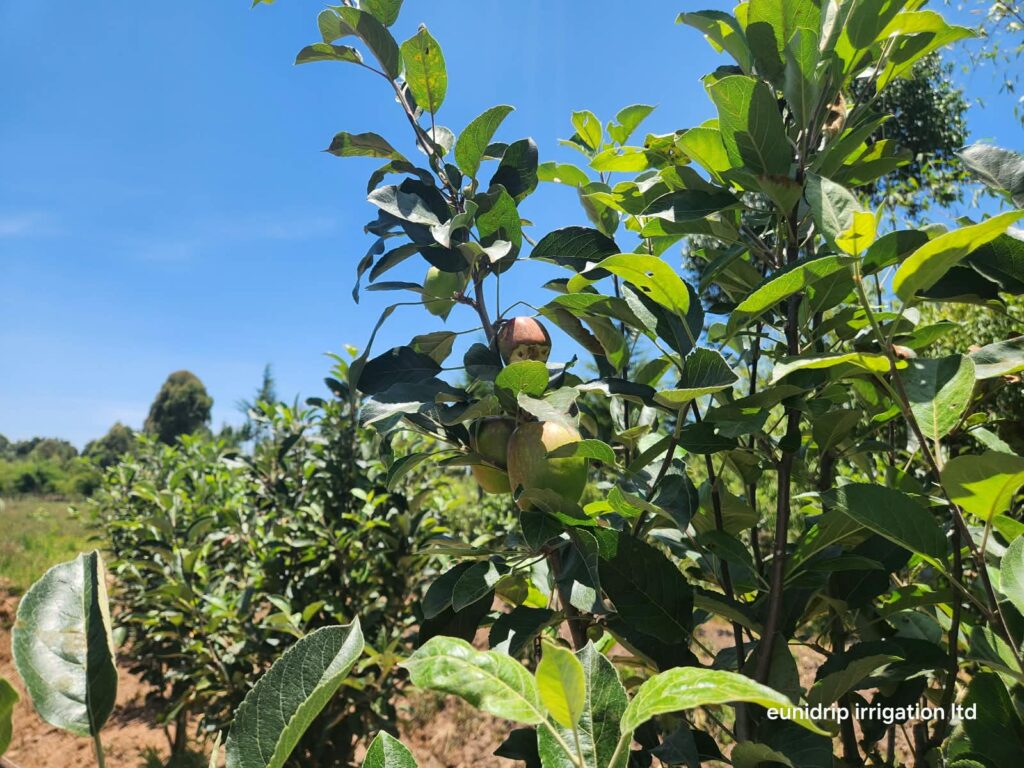
Hass avocado is the most established export option among crops with high profit in Kenya. Buyers want consistent sizing, good oil content and a clean phytosanitary record. The fruit is harvested mature, not simply large. Therefore growers sample and test before picking.
Export grade is sold on size and dry matter, not on weight alone. A consignment that mixes sizes or cuts immature fruit is rejected or downgraded. In addition, the fruit must be pre-cooled and moved quickly. A grower without a packhouse connection will sell into a different, lower-priced channel.
Muhuga’s profile of Green Highlands Avocado Farm describes an EU-certified organic estate in Gatundu. It converted in 2018 and sells to European supermarket chains. That is the buyer profile the crop needs: a specification, a certification and a repeat programme.
The main costs are orchard care, pruning, harvest labour, pre-cooling and transport. The main risk is maturity. An orchard that is picked early to catch a price can lose the whole consignment. For this reason, a buyer agreement should define maturity and size before harvest.
Muhuga groups its produce by category on the Browse Produce page. Buyers who need a specific grade should state it in the enquiry.
French Beans: Fast Cycles, Strict Grading
French beans are the fastest of these crops with high profit in Kenya to reach a sale. The crop is planted, picked and shipped within a short window. However, speed is not the same as profit. The buyer’s specification is narrow: straight, slender pods of even length, with no blemishes or pest damage.
Njeri French Beans Farm, profiled on Muhuga, grows extra-fine French beans and sugar snap peas at 2,300m for UK supermarkets. Picking is by hand and repeats every few days. As a result, labour is both the largest cost and the biggest operational risk. A field that cannot be picked on time becomes over-mature and unmarketable. Therefore the planting plan must match the labour plan.
Sugar snap peas follow the same labour and cold-chain logic. The same farm can run both lines. The crop also demands careful pest and residue management, and buyers test against market residue limits. A failed test can close a buyer relationship, not just one shipment. For this reason, spray records and a pre-shipment check are part of the cost of doing business.
Macadamia: The Long-Term Contract Crop
Macadamia is the longest-term of these crops with high profit in Kenya. A tree crop takes years to reach full production, so the payback period is part of the decision. In return, a mature estate can supply a processor for decades.
The buyer is usually a processor or exporter, not a fresh market. Nuts are harvested, dried, cracked and graded before sale. Certification matters: Fair Trade and EU Organic open premium programmes. Therefore the cost of certification and record keeping belongs in the budget from the start.
Muhuga’s profile of Mount Kenya Macadamia Estate describes a single-origin estate with Fair Trade and EU Organic certification. That combination is what a processor or a premium buyer looks for.
The main costs are establishment, orchard care, harvest labour, drying and processing. The main risks are the long payback, price swings and quality loss during drying. A grower who needs income within a year should not start with macadamia.
Fresh Herbs: Sage and Chives
Fresh herbs are the smallest-volume option among crops with high profit in Kenya. They earn a high price per kilo because they are light, perishable and sold in small packs. However, the margin depends on handling. Leaf colour, aroma and shelf life are judged at arrival, not at the farm gate.
Sage and chives are two established export herbs. Chives are cut and packed fresh; sage is sold as leaves or bunches. Both need a short, cool chain and careful grading. Both also need export documents, including a phytosanitary certificate and exporter registration. For this reason, a herb programme is a documentation programme as much as a growing one.
Wanjiru Fresh Farms sits on the Aberdare slopes. It grows export-grade avocados, baby vegetables and herbs, and has held GlobalGAP certification since 2016. That is the farm profile a retailer or importer will ask about.
Muhuga’s guides to importing fresh sage from Kenya and importing fresh chives from Kenya set out the buyer checks in detail. A grower planning either crop should read them before planting, because the specification shapes the harvest and packing plan.
The main costs are hand cutting, cold storage, packaging and airfreight. The main risk is delay. Herbs lose value quickly, so a missed flight can cost more than a lower price at the farm.
Cut Roses: Stems, Head Size and Cold Chain
Cut roses are a different product from the food crops above. They still belong on a list of crops with high profit in Kenya. They are sold on stem length, bud size, colour and vase life. A rose that meets the specification can earn a strong price. A stem that is short or damaged may not sell at all.
Kamau Rose Gardens in the Rift Valley grows cut roses year-round. Its Muhuga profile lists Freedom, Avalanche and spray roses for Dutch and German wholesalers. Kenyan roses are airfreighted to auctions, wholesalers and supermarket programmes. The supply chain is built around cold rooms and scheduled flights. Therefore the grower needs a cool chain from the field to the airport, not just a good variety.
The main costs are greenhouse construction, planting material, crop care, grading, cooling and freight. The main risks are price swings and rejection for stem length or head size. In addition, the crop is capital-intensive before the first harvest. A grower who wants quick income should start with vegetables or herbs.
What Makes Crops with High Profit in Kenya Work on Your Farm
The crop list is only the start. Three farm-level factors decide whether a high-value crop becomes a profitable one. First, water security. A crop that fails in a dry spell cannot recover the season. Second, labour. Hand-picked crops need a reliable team at the right moment. Third, market access. A packhouse, cold room and freight booking are part of the production system.
The profit equation is simple: marketable yield multiplied by price, minus every cost to the buyer’s door. In practice, the difficult part is marketable yield. A field can look full and still fail the grade. Therefore count the grade-out rate, not just the harvest weight.
Scale changes the numbers but not the logic. A small farm can be profitable with a focused crop and a reliable buyer. A large farm can lose money with the same crop if labour, water or cold chain are weak. For this reason, the crop plan and the infrastructure plan should be written together.
Muhuga’s Verified Farms page shows the kind of production operations on the platform. The large-scale farm setup guide covers the infrastructure sequence for a bigger project. Development partners also track the sector: the World Bank’s Kenya overview lists agriculture and rural development among its programme areas.
Risks That Threaten Crops with High Profit in Kenya
The risks are predictable even when the weather is not. Rejection at inspection is the first. A consignment that misses the grade can be downgraded, delayed or refused. Price collapse at harvest is the second. When many growers plant the same crop for the same window, the buyer sets the terms.
Water stress, pest pressure and disease are the third group. A high-value crop is often more sensitive than a staple, and the loss is larger. Labour shortage is the fourth. Hand-picked crops cannot be harvested by machine, so a labour gap becomes a quality gap.
Freight delay and documentation errors are the fifth. A missing certificate or a missed flight can turn a good crop into a loss. In contrast, a pre-shipment check, a written buyer specification and a backup flight plan reduce the damage.
Finally, certification and residue compliance carry a business risk. A lapsed certificate or a failed residue test can end a buyer relationship. Therefore records belong in the operating plan, not in a folder after the season.
Frequently Asked Questions About Crops with High Profit in Kenya
Which crop is the most profitable in Kenya?
There is no single answer. Profit depends on the buyer, the price at harvest, the grade-out rate and the cost structure. The five crops in this guide share repeat demand and a defined specification. A grower should compare them with a farm-specific budget, not a national average.
How much profit can one acre of Hass avocado make?
We do not publish a per-acre figure. Avocado income depends on tree age, yield, fruit size, oil content, price and the cost of reaching the buyer. A mature orchard with a buyer programme can be profitable. A young orchard may carry several years of cost before it earns.
Are French beans more profitable than maize?
Not automatically. French beans earn more per kilo, but they need more labour, more careful pest control and a buyer who will take the grade. Maize has a different cost and market structure. The correct comparison is gross margin after all costs, including rejection and transport.
Do I need a buyer before planting?
Yes, for export crops. A buyer specification tells you which variety, grade and pack to produce. It also reduces the risk of growing a crop that no one will take. A verbal expression of interest is not enough. Ask for the specification and the payment terms in writing.
How long before these crops pay back?
The range is wide. Herbs and vegetables can return income within a season. Roses take months to establish and then produce repeatedly. Avocado and macadamia take several years. The payback period should be part of the crop choice, because a long wait needs capital that can be tied up.
Can small farms grow crops with high profit in Kenya?
A small farm can, provided it meets the buyer’s specification and can deliver a consistent volume. In practice, small growers often work through a packhouse or an aggregator that combines volumes. The constraint is usually cold chain, labour and documentation, not land area.
Start Your Crop Plan with Muhuga
If you are planning crops with high profit in Kenya, start with the buyer. Then build the cost model and choose the field. A crop that fits your water, labour and capital beats the crop with the highest advertised price. Muhuga supports farm development and produce sourcing. The crop plan and the route to market can be reviewed together.
Open Browse Produce to see what the platform handles. Read the farm setup guide if you are starting from land. A short, specific enquiry is the fastest way to test whether a crop is viable for your farm.