Large-Scale Farm Setup in Kenya: 7 Stages Explained
Setting up a large-scale commercial farm in Kenya is a major investment. It requires much more than acquiring land and planting crops. Successful large-scale farm setup in Kenya means navigating government regulations, obtaining the right documentation, designing farm infrastructure and building production systems. It also means recruiting the right workforce and creating management structures that deliver consistent results.
For investors entering Kenyan agriculture, the right agricultural consultant in Kenya makes the difference between a farm that simply exists and a professionally managed commercial enterprise. For investors weighing large-scale farming in Kenya, that support often decides whether a project stays on schedule. At Muhuga, we guide investors from initial concept through regulatory requirements, farm design, infrastructure, staffing, training, production and operational handover.
Understanding the Government Policy Environment for Large-Scale Farm Setup in Kenya
Kenya has developed a comprehensive policy and regulatory framework. It aims to promote agricultural productivity, food security, commercial agriculture, value addition and agricultural exports. The sector involves both national and county government institutions.
In practice, depending on the nature, location and scale of a project, an investor may need to engage institutions responsible for:
- Agriculture and crop production.
- Plant health and, typically, phytosanitary requirements.
- Horticultural regulation.
- Environmental compliance.
- Water resources.
- Land and county approvals.
- Physical planning and construction.
- Labour and occupational safety.
- Food safety and standards.
- Seed and planting material.
- Agricultural exports and market access.
Therefore, for investors, understanding these requirements early is critical. Agricultural regulation is distributed among several institutions. Each has different responsibilities, procedures, documentation and approval processes. This makes large-scale farm setup in Kenya a multidisciplinary project rather than a simple agricultural activity.
The Challenge of Disintegrated Government Agencies
One of the major challenges facing investors establishing commercial farms in Kenya is the fragmented nature of regulatory processes. There is no single government agency responsible for every aspect of establishing and operating a large commercial farm.
Consequently, an investor may deal with several institutions at different stages of the project. One agency handles plant health. Another covers horticultural regulation. A third sets environmental requirements, while others control water, construction and county-level approvals. This can result in:
- Repeated submission of information.
- Multiple inspections.
- Often, different application procedures.
- Then, separate fees and licences.
- Delays between approvals.
- Duplication of documentation.
- Difficulty understanding which requirement comes first.
Usually, for an investor unfamiliar with Kenya’s agricultural regulatory environment, this becomes expensive and time-consuming. A professional agricultural consultancy in Kenya solves the problem. It creates a regulatory roadmap before the physical development of the farm begins.
Documentation Requirements for Large-Scale Farm Setup in Kenya
Next, documentation is one of the most important components of large-scale farm setup in Kenya. Depending on the enterprise, an investor may need records relating to:
- First, land ownership or lease.
- Company registration.
- County approvals.
- Environmental requirements.
- Water resources.
- Farm development.
- Seeds and planting materials.
- Nursery operations.
- Crop production.
- Plant health.
- Horticultural regulation.
- Export requirements.
- Labour and occupational safety.
- Chemical management.
- Farm traceability and quality control.
- Finally, post-harvest handling.
However, do not treat documentation as paperwork completed after the farm is established. Instead, build compliance into the farm design from the beginning. A well-designed farm should have a clear documentation system that continues throughout production.
The Role of KEPHIS in Commercial Farm Development
The Kenya Plant Health Inspectorate Service (KEPHIS) is an important institution for commercial agricultural projects. It matters most where seed, planting material, nurseries, imports and exports are involved.
KEPHIS is involved in areas including:
- Plant health.
- Phytosanitary certification.
- Also, seed certification.
- Nursery inspection.
- Pest surveillance.
- Inspection of plants and plant products.
- Export-related plant health requirements.
Meanwhile, for investors importing planting material or establishing commercial nurseries, understanding KEPHIS requirements before implementation prevents costly delays. This is particularly important for farms targeting international markets. There, phytosanitary compliance and traceability are essential components of market access.
AFA and the Horticultural Crops Directorate
Also, for investors establishing commercial horticultural farms, the Agriculture and Food Authority (AFA) and its Horticultural Crops Directorate (HCD) shape the regulatory environment. HCD regulates and supports the horticultural sector. Its remit covers production, quality, marketing, standards, traceability and competitiveness.
Therefore, investors need to understand which HCD requirements apply to their crop and business model. For horticultural enterprises, regulatory considerations extend from production through post-harvest handling and marketing. This makes early engagement and proper planning essential.
Why Regulatory Planning Comes First in Large-Scale Farm Setup in Kenya
One of the common mistakes in commercial farm development in Kenya is starting construction too early. Investors begin building before fully understanding the regulatory and operational requirements. The better approach is to start with a comprehensive farm-development plan.
The plan should consider:
- The intended crop or livestock enterprise.
- Land characteristics and soil conditions.
- Water availability and irrigation requirements.
- Market destination and production volumes.
- Regulatory requirements.
- Labour requirements.
- Farm infrastructure and machinery.
- Post-harvest facilities, storage and transport.
- Management requirements.
This approach ensures that the farm is designed around its intended business model. Typically, a design that fits the business avoids expensive rework later.
Farm Infrastructure Design for Large-Scale Farm Setup in Kenya
Typically, large-scale farm setup in Kenya requires much more than fields. Depending on the enterprise, physical development usually covers several categories.
First, production and crop support includes production blocks, nurseries, internal access roads, irrigation systems, water storage, pump houses and fertigation facilities.
Then, handling and storage covers harvest collection points, pack houses, cold storage, input stores, chemical stores and fertiliser stores.
Finally, people and operations covers farm offices, staff facilities, machinery yards and workshops. Security, drainage and waste-management facilities complete the layout. Fencing and drainage protect both the crop and the investment.
In practice, the design should consider the movement of people, machinery, inputs and harvested produce. A poorly designed farm creates unnecessary labour costs, inefficient logistics and post-harvest losses. A professionally planned farm is therefore designed as one integrated production system.
From Farm Concept to Large-Scale Farm Setup in Kenya: Four Stages
A successful farm setup in Kenya can be divided into several sequential stages. Each stage has its own deliverable. The next stage should not start until the previous one is signed off.
| Stage | What it covers | Main deliverable |
|---|---|---|
| 1. Feasibility and site assessment | Land, soil, water and climate assessment; topography; crop suitability; market and cost analysis | Technical and commercial viability confirmed |
| 2. Farm master planning | Production zones, irrigation blocks, roads, buildings, storage, processing and administrative areas | Approved master plan and layout drawings |
| 3. Infrastructure development | Land preparation, irrigation installation, water infrastructure, roads, buildings, pack house and cold chain | Built infrastructure, timed to the production calendar |
| 4. Production system development | Crop calendars, planting, irrigation and fertiliser programmes, pest management, harvesting and quality systems | Standardised commercial production system |
Stage 1: Feasibility and site assessment
First, before development begins, assess the project technically and commercially. Work may include land assessment, soil testing, water assessment, climate analysis and topographical survey. Then add crop suitability, market analysis, infrastructure assessment, production-cost analysis and investment planning. The purpose is to determine whether the proposed enterprise is viable. First, confirm viability. Only then commit construction capital.
Stage 2: Farm master planning
Next, develop the farm master plan. This plan establishes how the land will be used and how different parts of the business interact. It defines production zones, irrigation blocks, roads, water infrastructure, buildings and staff facilities. It also sets out machinery areas, storage, processing, pack houses, waste-management areas and administrative facilities. The master plan becomes the foundation for implementation.
Stage 3: Farm infrastructure development
Once the design is approved, physical development can begin. As a result, the works package is already costed and phased. It may include land preparation, irrigation installation, water infrastructure, roads, farm buildings, stores and workshops. Offices, staff facilities, nurseries, pack houses and cold-chain infrastructure follow. Construction should be coordinated with the intended production calendar.
Stage 4: Production system development
Then, the farm needs an operating production system. This includes crop calendars, planting programmes, irrigation schedules and fertiliser programmes. Add pest-management programmes, harvesting plans and post-harvest procedures. Finally, put quality-control systems, production records and traceability systems in place. The objective is to move from informal farming to a standardised commercial production system.
Developing the Farm Management Structure
Usually, farm management at this scale needs a clearly defined structure. Depending on its size, the reporting line usually runs from the investor or board to a general manager or farm director. Below that sits the farm manager, then a production manager or agronomist. Section managers and supervisors follow, and farm workers complete the chain.
Additionally, supporting departments may include finance and accounts, human resources, procurement and stores. Others commonly added are irrigation, mechanics, quality assurance and security. Sales, marketing and administration close the structure. The shape should suit the size and complexity of the farm.
In practice, the key principle is clarity. Every employee should know who they report to and what they are responsible for. They should also know how their performance is measured.
Labour Profiling for Large-Scale Farms
Typically, labour is one of the largest operating costs in many agricultural enterprises. Large-scale farms therefore need a detailed labour profile before recruitment begins. This should determine permanent staffing requirements, seasonal labour needs, supervisory and technical positions. It must also size machinery operators, irrigation personnel, harvesting teams and post-harvest staff. Administrative and security requirements complete the profile.
Recruiting without a labour plan results in excessive labour costs. Equally, it can leave the farm understaffed during critical production periods. Meanwhile, revisit the plan every season as planted area and crop mix change.
Hiring the Right Agricultural Staff
First, the right people are essential to farm performance. Recruitment should weigh technical qualifications, practical experience and leadership ability. Also consider understanding of commercial agriculture and knowledge of farm safety. Records discipline, technology literacy and understanding of production targets matter just as much.
However, a farm manager, agronomist or production manager should not only understand agriculture. They must also understand commercial farm management. A technically strong grower who cannot manage budgets and people will still miss targets.
Staff Training and Capacity Building
Often a new farm has excellent infrastructure and modern equipment. It can still fail to hit production targets if employees are not properly trained. Therefore, staff training should begin before full-scale production.
Training may cover:
- First, Good Agricultural Practices.
- Crop husbandry, irrigation and fertigation.
- Pest and disease management.
- Safe chemical handling.
- Machinery operation.
- Harvesting and post-harvest handling.
- Hygiene and occupational safety.
- Traceability and record keeping.
- Then, farm procedures.
Moreover, training should be continuous. As the farm grows, employees should be trained whenever new crops, equipment, technology or production systems are introduced.
Standard Operating Procedures for Commercial Farms
Typically, a professionally managed farm should operate using documented Standard Operating Procedures (SOPs). Common SOP topics include land preparation, planting, irrigation and fertiliser application. They also cover crop protection, pest scouting, harvesting and produce handling. Chemical storage, machinery operation and equipment maintenance need written procedures too. Likewise, worker safety, waste management and store management should be documented. Traceability and record keeping complete the set.
SOPs make operations consistent and reduce dependence on individual employees. Also, they make it easier to train new staff. They hold production standards steady as the farm expands.
Farm Management Systems and Performance Monitoring
Then, once production starts, management needs reliable information to make decisions. A commercial farm should monitor a defined set of indicators, including:
- First, yield per acre.
- Production cost.
- Labour productivity.
- Water and fertiliser usage.
- Crop losses and pest incidence.
- Harvest volumes and quality.
- Rejection rates.
- Finally, sales and gross margins.
Farm records should be used to identify problems early and improve production efficiency. In practice, an investor who reviews these indicators monthly will catch a failing block long before it appears in the year-end accounts.
Choosing the Right Agricultural Consultant in Kenya
Finally, selecting the right consultant is one of the most important decisions an investor can make. An agricultural consultant should understand more than crop production. For a large-scale project, the consultant should coordinate several disciplines at once. These include feasibility, regulatory requirements, farm planning, infrastructure and irrigation. They also include production, labour, recruitment and training. Documentation, quality systems, farm management and operational handover sit in the same scope.
Likewise, the consultant should know when specialist professionals are required. Examples include engineers, environmental experts, surveyors and agronomists. Architects, quantity surveyors and legal professionals often matter on larger builds.
For a wider view of the sector, the FAO Kenya office publishes country-level agricultural data. FAO’s practical manual on water management in agriculture covers irrigation planning in detail.
Why Work With Muhuga
Muhuga provides agricultural consultancy in Kenya for investors pursuing commercial farm development and large-scale farm setup in Kenya. Our focus is connecting the different parts of the farm-development process.
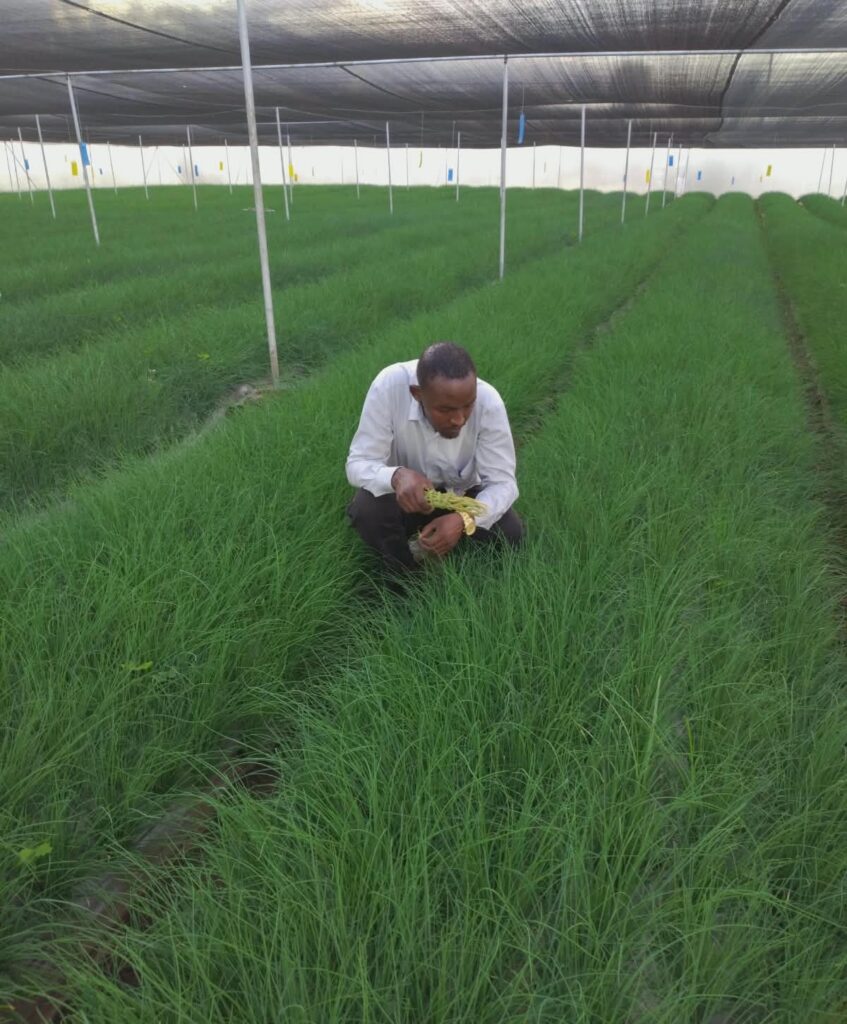
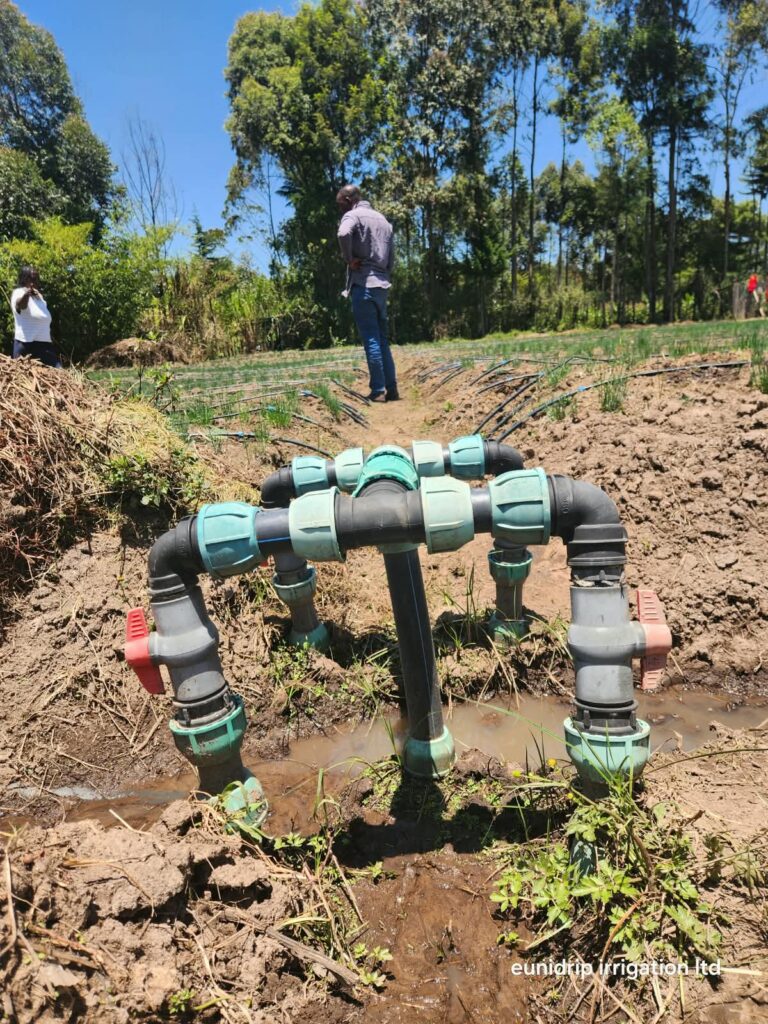
Instead of treating regulatory compliance, infrastructure, production and management as separate activities, we integrate them into one coordinated programme. Support can include:
- First, farm feasibility and planning.
- Agricultural project development.
- Farm master planning.
- Regulatory navigation and documentation.
- Farm infrastructure and irrigation planning.
- Production systems.
- Farm management structures and labour profiling.
- Staff recruitment support and training.
- Standard Operating Procedures and farm operational systems.
- Production planning and project implementation.
- Finally, operational handover.
As a result, for investors unfamiliar with the Kenyan agricultural environment, this integrated approach simplifies the move from investment concept to operational farm.
Farm Setup Does Not End When Construction Ends
However, one of the most important considerations in large-scale agricultural investment is the transition from construction to production. A consultant should ensure the farm is not only physically complete but operationally ready.
A proper handover pack should include:
- First, farm master plans and as-built drawings.
- Asset and equipment registers.
- Irrigation maps and production-block maps.
- Regulatory documents, licences and approvals.
- Supplier information and maintenance schedules.
- Standard Operating Procedures.
- Staff structure, job descriptions and training records.
- Production budgets and crop calendars.
- Procurement procedures and farm records.
- Finally, emergency procedures and performance indicators.
Finally, the management team should demonstrate that it can operate the farm independently.
Building a Sustainable Commercial Farm in Kenya
Therefore, the objective of large-scale farming in Kenya is not simply to build infrastructure or plant crops. The objective should be a productive, compliant, commercially viable and professionally managed agricultural business.
This requires integration between land, water, infrastructure, regulation, production, people, management and markets. When these elements are properly coordinated, an agricultural investment has a stronger foundation for sustainable growth. Once production is steady, market access becomes the next question. Our farm profiles and produce listings show how established Kenyan growers present certified crops to buyers, as in this guide to importing fresh produce from Kenya.
Large-Scale Farm Setup in Kenya: Frequently Asked Questions
How long does large-scale farm setup in Kenya take?
Usually, feasibility and master planning take two to four months. Infrastructure development then depends on block size, water source and road access. Six to eighteen months before first commercial harvest is typical.
Do I need a local consultant, or can my own agronomist handle it?
An agronomist can design the crop programme. However, large-scale farm setup in Kenya also involves county approvals, environmental licensing, plant health certification and labour compliance. That is where a local consultancy saves time.
Which documents do I need before clearing land?
First, a land title or lease, physical planning permission, and an environmental impact assessment approval. Crop-specific and export documents follow later.
Is KEPHIS involved if I only grow for the local market?
Yes, KEPHIS still matters for seed and planting-material certification, nursery inspection and pest surveillance. Its requirements become stricter for export-oriented production.
What does a feasibility study actually tell me?
It tells you whether the enterprise is viable. Soil and water results decide crop choice and irrigation design. For example, market and cost analysis decide whether returns justify the capital.
Can Muhuga support only part of a project?
Yes. For example, some investors need only a master plan. Others need the full route from regulatory navigation to operational handover. We scope the engagement to the stage you are at.
Talk to Muhuga About Your Farm Development Project
If you are planning to establish a large-scale farm in Kenya, the early stages of planning can determine the success of the entire investment. Professional support helps investors navigate the complexity of agricultural development. That covers government requirements and documentation, farm structures, production systems, recruitment, training and operational handover.
Muhuga supports investors through the whole farm-development journey. We work from the initial concept and planning stage to establishment and operational handover. If you are planning a commercial farm, horticultural project or farm expansion in Kenya, contact Muhuga to discuss your project requirements.